

Are art dealers captured by Australia's AML reforms? (Not yet)
A common question we receive is whether art dealers need an AML/CTF program under Tranche 2. The short answer for Australia is: no, not currently. Pure art dealers are not designated services under the reforms. However, dealers in precious products are captured, and the distinction matters.
The Australian position: art dealers are NOT captured
Under Australia's Tranche 2 AML/CTF reforms, the focus for high-value goods is on precious products, not art. The legislation targets dealers in precious metals, precious stones and items incorporating these materials. Pure art dealing, such as paintings, sculptures or photography without precious materials, is not a designated service.
Key distinction: precious products vs art
AUSTRAC's guidance makes clear that "precious products" means items made from or incorporating precious metals or precious stones. Art that does not contain these materials is not captured.
This means a gallery selling oil paintings, watercolours or bronze sculptures without precious materials is not a reporting entity under Tranche 2.
What IS captured: precious products examples
According to AUSTRAC guidance, precious products include items that incorporate precious metals or stones, even when they have an artistic or decorative element. Examples include:
A ring crafted from gold and pearl
Jewellery incorporating precious metals and/or stones is captured regardless of artistic merit.
A stainless-steel watch with diamonds set on the face
The presence of diamonds (a precious stone) brings this item within scope.
A headdress made of platinum and garnet
Even wearable art or ceremonial items are captured if they contain precious materials.
Gold or diamond grill (dental jewellery)
Dental jewellery made from precious metals or stones is explicitly included by AUSTRAC.
What is NOT captured: pure art examples
Oil paintings, watercolours or prints
Traditional fine art without precious materials is not a designated service.
Bronze, marble or ceramic sculptures
Sculptural works in non-precious materials are not captured.
Photography, digital art or NFTs
These do not involve precious materials and are not designated services.
Antiques and collectibles (unless precious)
General antique dealing is not captured unless items contain precious metals or stones.
The grey area: art incorporating precious materials
Some artworks blur the line. If an artwork incorporates precious metals or stones as a material element, it may be considered a precious product. Consider:
- A sculpture with gold leaf application or gold elements
- Wearable art or fashion pieces incorporating precious stones
- Decorative objects made primarily from precious metals
- Ceremonial or cultural items with precious material components
In these cases, the presence of precious materials may bring the transaction within scope. Dealers should consider the nature of their inventory and seek specific advice if uncertain.
International comparison: overseas is different
It is worth noting that the international position differs from Australia's approach:
Art Dealer Regulation Overseas
- European Union (5AMLD/6AMLD): The EU requires art dealers to conduct customer due diligence for transactions of €10,000 or more, covering pure art dealing.
- United Kingdom: Post-Brexit, the UK maintains similar requirements covering art dealers who trade in works valued at €10,000 or more.
- United States: The Anti-Money Laundering Act 2020 directed a study into art market regulation, though comprehensive coverage is not yet in place.
- FATF Recommendations: The Financial Action Task Force includes art dealers in its recommendations, which may influence future Australian reform.
Future reform is possible
While pure art dealers are not currently captured in Australia, future legislative reform could extend coverage to align with international standards. Art dealers should monitor AUSTRAC announcements and be prepared to adapt if the law changes.
Summary: know your position
For Australian dealers:
- Pure art dealers (paintings, sculptures without precious materials, photography): NOT currently designated services. No AML/CTF program required under Tranche 2.
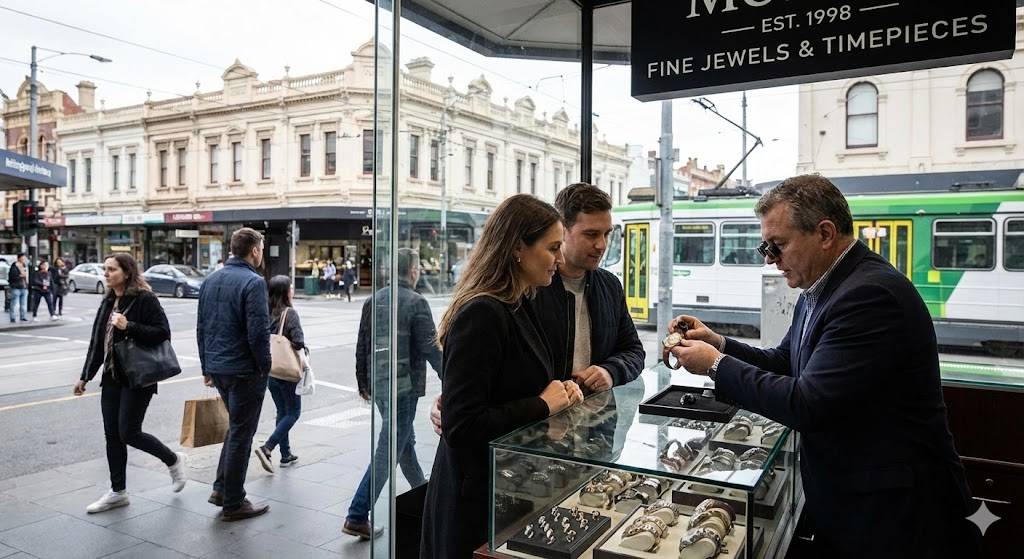
- Precious products dealers (jewellery, precious metal items, gemstone dealers, luxury watches with precious elements): ARE designated services and will need an AML/CTF program.
- Mixed dealers (handling both art and precious products): Must comply for the precious products component of their business.
Are you a precious products dealer?
If you deal in jewellery, precious metals, gemstones or luxury watches with precious elements, you will need an AML/CTF program. HeadStart Docs™ offers digital products designed specifically for precious products dealers.
Read our complete Tranche 2 Guide
Key dates, affected sectors, obligations and how to prepare
Disclaimer: This article is general information only. It is not legal, financial or compliance advice. HeadStart Docs™ provides free compliance documents, not legal services.
We do not guarantee the accuracy of information provided. Obligations may apply depending on your designated services. Always confirm your specific requirements with a qualified adviser.
Need a lawyer to review your AML/CTF program? HeadStart Counsel offers fixed-fee tailoring from $1,800+GST. Separate entity and engagement.